Key Takeaways
- Markets experiences slight uptick on strong last two trading days of the month
- Inflation TBD as oil and other commodities rise in price
- Oil volatile with large price swings
- Interest rate picture continues to signal higher rates
- Gross Domestic Product (GDP) decelerates
Stock Market Recap
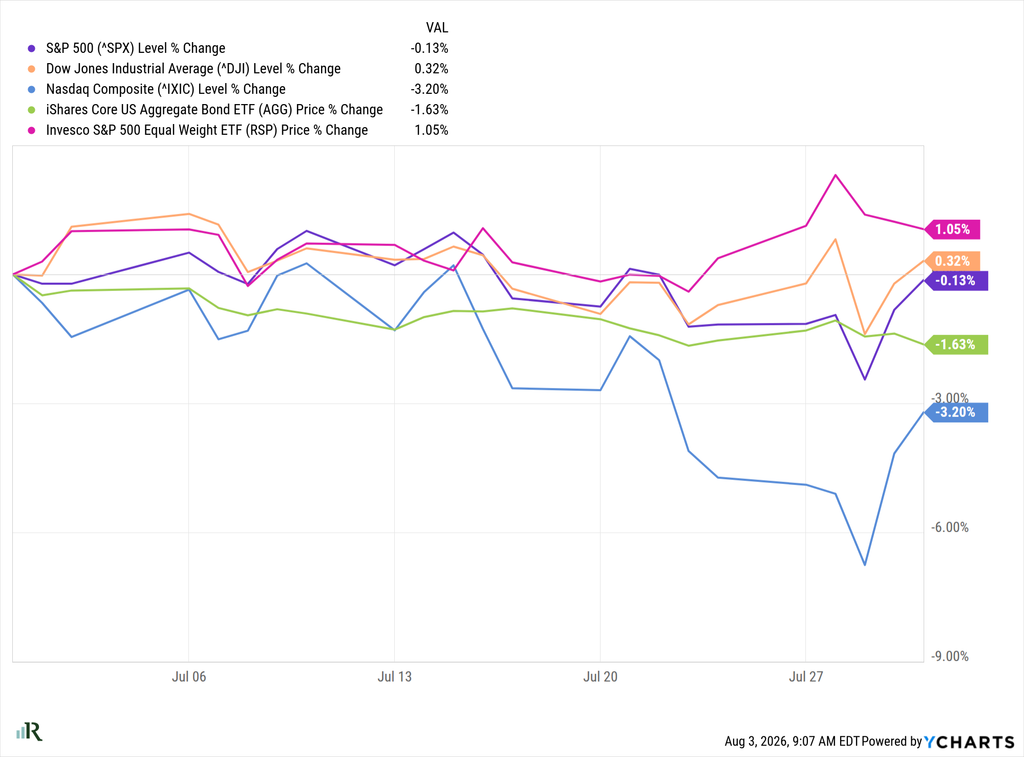
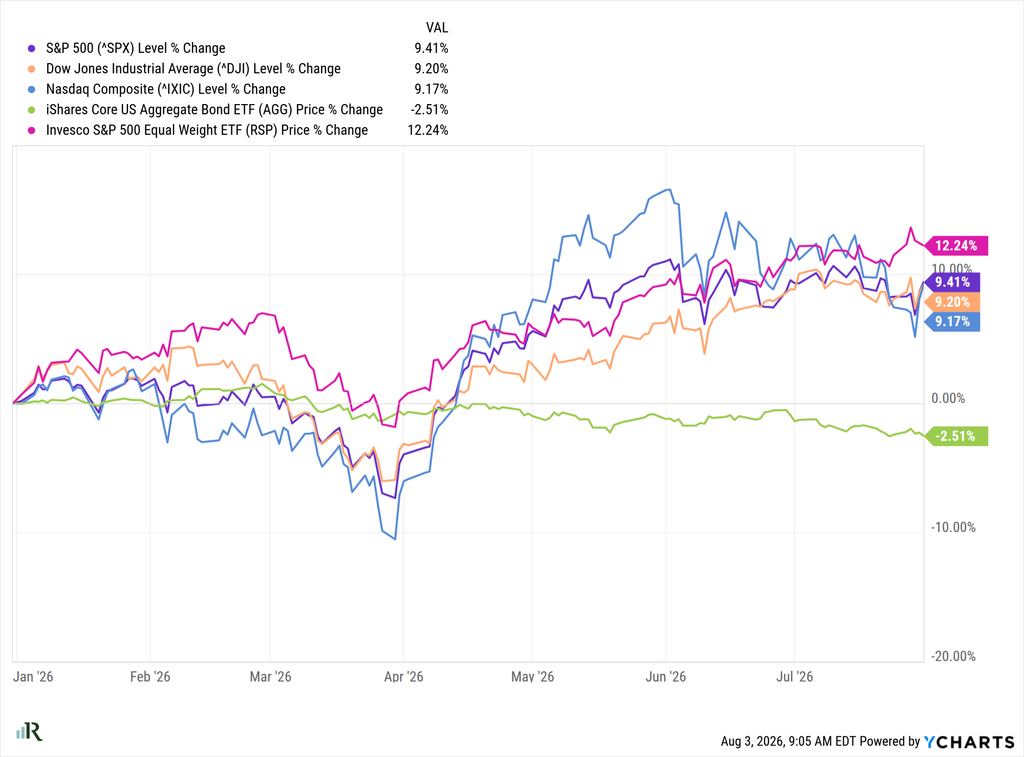
July was marked by a brief period of market volatility, driven primarily by heavy selling in many of the high-growth artificial intelligence (AI) stocks. Fortunately, a strong rebound during the final two trading days of the month helped offset much of those losses. As a result, the S&P 500 finished July down just 0.13% and remains up 9.41% for the year.
One of the most encouraging developments continues to be the strong performance of the S&P 500 Equal Weight Index. Unlike the traditional S&P 500, where the largest companies have the greatest influence, the Equal Weight Index gives each company the same weighting. It gained 1.05% in July and is now up an impressive 12.24% year-to-date.
This outperformance reflects a healthy broadening of the market, with leadership expanding beyond the technology sector into areas such as healthcare, financials, and dividend-paying companies. If you’ve been following the Rockport Weekly, attending our monthly webinars, or listening to The Rockport Truth & Investing radio show, you’ve heard us discuss the importance of maintaining a diversified investment approach rather than focusing solely on technology stocks.
Looking ahead, we continue to believe that interest rates will be one of the most important factors influencing market performance over the coming months. In addition, we are entering a midterm election season, a period that has historically brought increased market volatility as investors react to changing political and economic expectations. While short-term fluctuations are always possible, maintaining a disciplined, long-term investment strategy remains the best approach to navigating changing market conditions.
Inflation
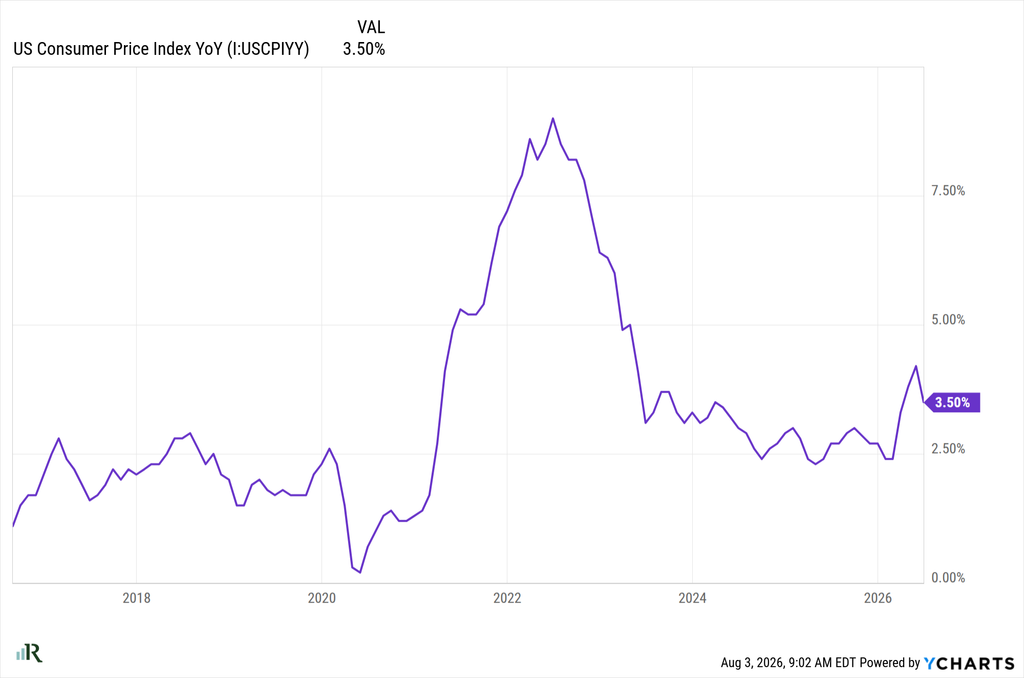
After reaching a high of more than 4% in May, inflation has moderated to 3.5%. While this represents meaningful progress, the recent rise in oil prices could make it more challenging for inflation to continue moving lower over the next several months.
The Federal Reserve’s long-term goal remains to bring inflation, as measured by the Consumer Price Index (CPI), closer to its 2% target. Although we are moving in the right direction, there is still work to be done, and future inflation readings will likely play an important role in determining the Fed’s next interest rate decisions.
Oil Prices
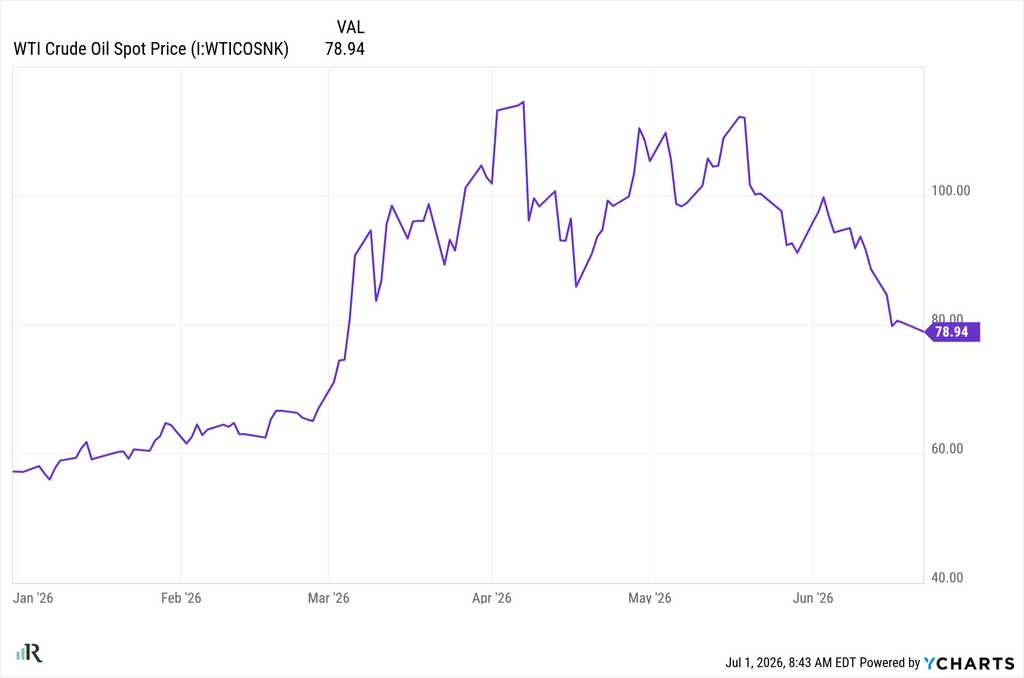
After falling below $70 per barrel in June, largely due to the announcement of a ceasefire, oil prices surged back toward $90 per barrel during July as tensions in the Iran conflict intensified. Prices eased somewhat by month-end, finishing around $84 per barrel.
This sharp price movement highlights the continued volatility in the energy market, where prices remain heavily influenced by geopolitical headlines. Looking ahead, the direction of oil prices will be an important factor to watch, as sustained higher energy costs could put renewed upward pressure on inflation. This is one of the key indicators the Federal Reserve will be monitoring as it considers future interest rate decisions.
Interest Rates
Market expectations continue to suggest that another interest rate increase remains a possibility before year-end. Current probabilities indicate there is roughly a 40% chance of a quarter-point rate hike by December and about a 34% chance that rates could increase by a total of one-half percentage point before the end of the year.
We continue to believe that the direction of interest rates will be one of the primary drivers of market performance in the months ahead. At the same time, investors appear somewhat divided on where monetary policy is ultimately headed, which has contributed to increased market volatility.
With the midterm elections approaching, it would not be surprising if the Federal Reserve chose to remain patient until there is greater economic clarity. While there are no guarantees, we believe maintaining current interest rates may be the more prudent course given the uncertainty surrounding inflation, economic growth, and global events. As always, we will continue to monitor developments closely and adjust our outlook as conditions evolve.
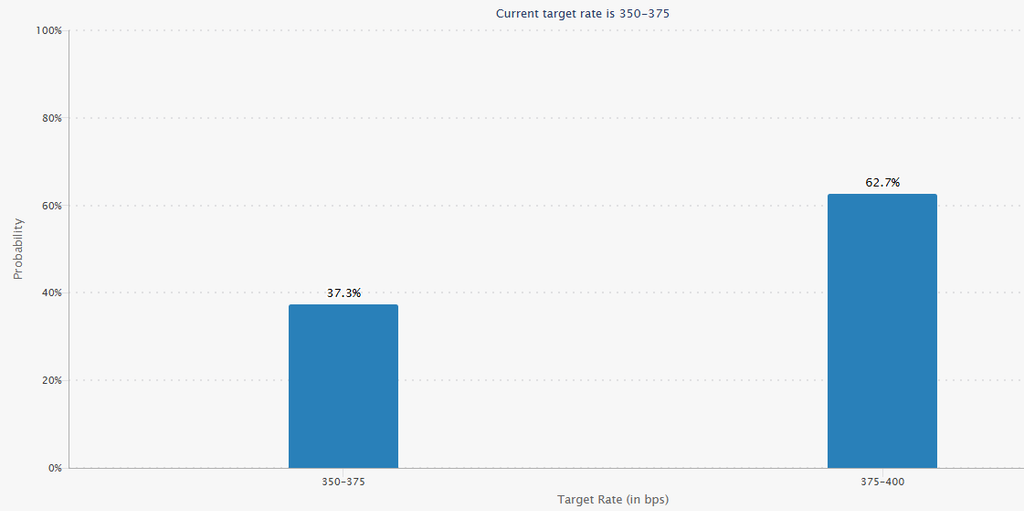
Target Rate Probabilities for September 2026 Fed Meeting
Target Rate Probabilities for December 2026 Fed Meeting
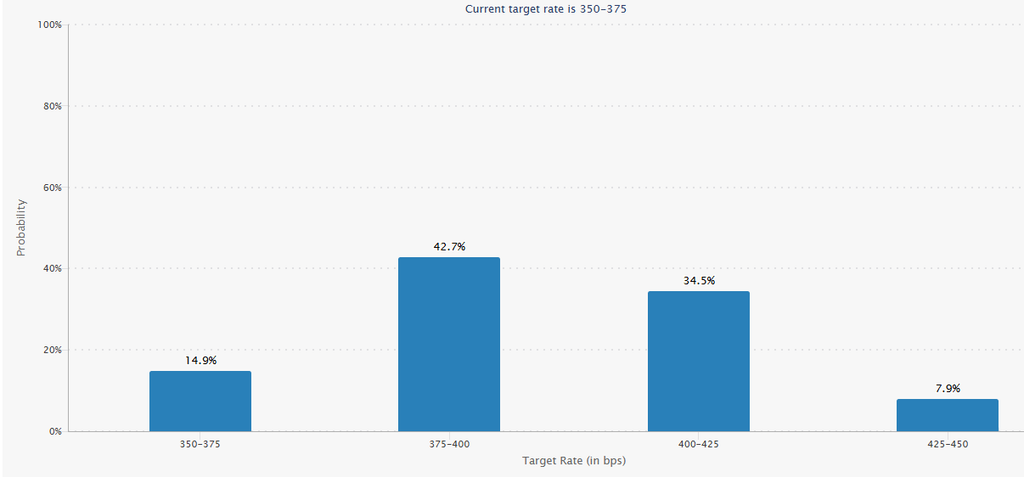
Source: CME FedWatch Tool – CME Group
Gross Domestic Product (GDP)
Lastly, the preliminary estimate for second-quarter Gross Domestic Product (GDP), a key measure of economic growth, showed a modest slowdown. The economy expanded at a 1.5% annualized rate during the quarter, compared with 2.1% growth in the previous quarter.
The final GDP figure will be released in September, and we will continue to monitor the updated data. While growth has slowed somewhat, the current environment remains consistent with our view that the economy is navigating a period of elevated inflation pressures combined with more moderate economic growth.
As we look ahead, the investment landscape continues to be shaped by several competing forces. Markets are balancing the potential for continued economic growth against the challenges of elevated inflation, shifting interest rate expectations, and ongoing geopolitical uncertainty. While volatility is likely to remain part of the investment environment, we believe it is important to keep perspective and focus on the long-term fundamentals that drive investment success.
One encouraging development has been the broadening of market participation beyond a small group of technology companies, with strength beginning to emerge across additional sectors of the market. A more balanced market environment can create opportunities and reinforces the importance of maintaining a diversified investment approach.
As always, we will continue to closely monitor inflation trends, Federal Reserve policy, economic growth, and market conditions. Short-term market movements are often driven by headlines and investor sentiment, but successful investing has historically rewarded those who remain disciplined, patient, and focused on their long-term financial goals.
Information as of 8.10.26
Securities offered by Registered Representatives through Private Client Services, Member FINRA/SIPC. Advisory products and services offered by Investment Advisory Representatives through Rockport Wealth LLC, a Registered Investment Advisor. Private Client Services and Rockport Wealth LLC are unaffiliated entities. The opinions contained herein are that of the authors not necessarily that of Private Client Services LLC and there should not be any guarantees assumed from the information presented.
Investments in securities do not offer a fixed rate of return. Principal yield and/or share price will fluctuate with changes in market conditions, and when sold or rendered, you may receive more or less than originally invested. No system of financial planning strategy can guarantee future results. Investors cannot directly invest in indices. Past performance does not guarantee future results. The performance numbers we mention are indexes. If you’re a client, we manage a custom portfolio for your particular situation and the performance will be different. You cannot invest directly in an index. Investing in an index fund involves fees and will reduce your overall return compared to the index.
Charts produced at yCharts.com
Rockport Wealth Advisors is a DBA of Rockport Wealth, LLC, a fee-based Registered Investment Adviser (RIA) registered with the Securities and Exchange Commission and offering a full range of professional services. The scope of any financial planning and/or consulting services to be provided depends upon the needs of the client and the terms of the engagement. Please see our CRS & ADV disclosure documents for more information about our business.